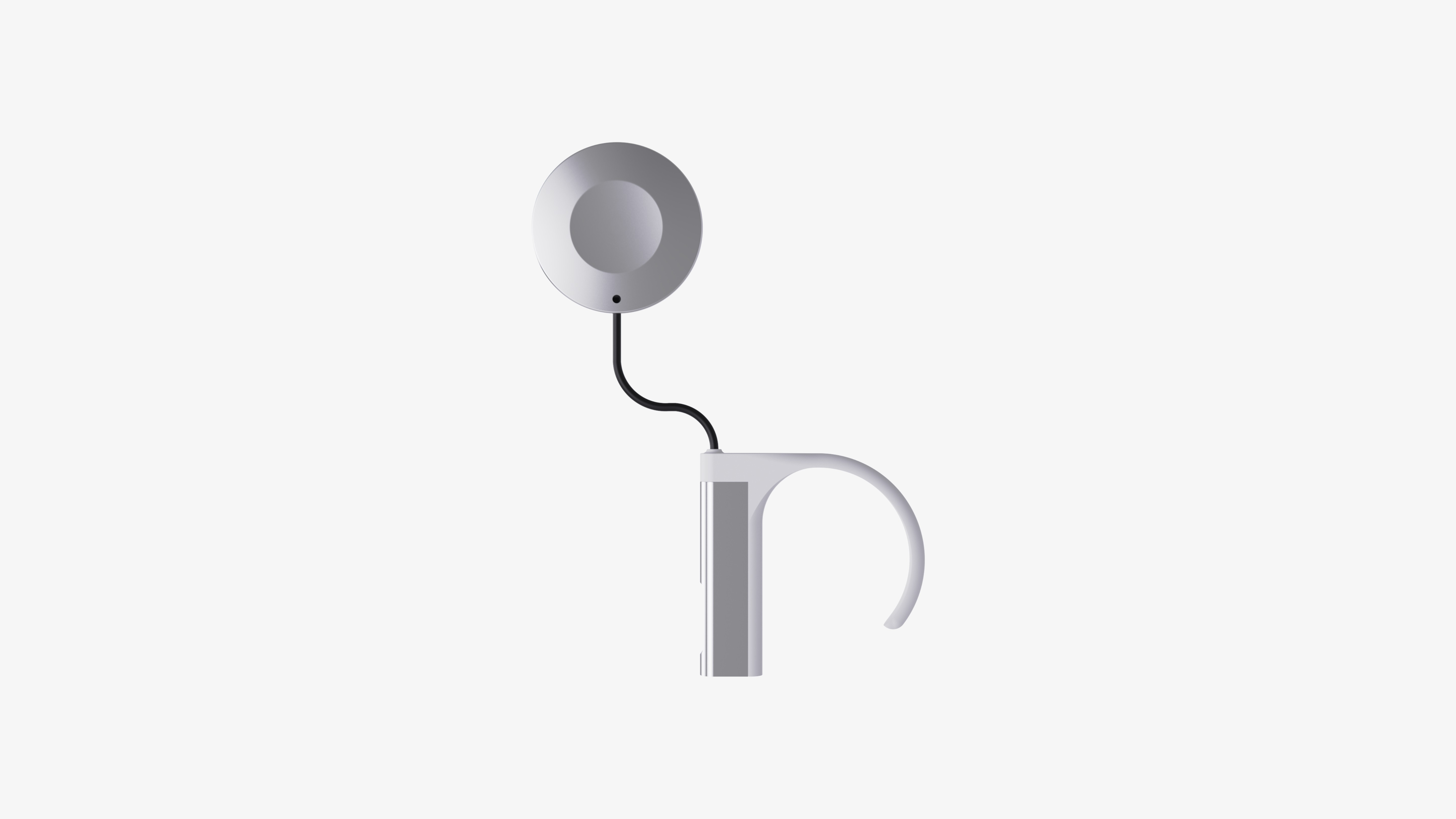
Sentra
Haptic bracelet and cochlear implant redesign
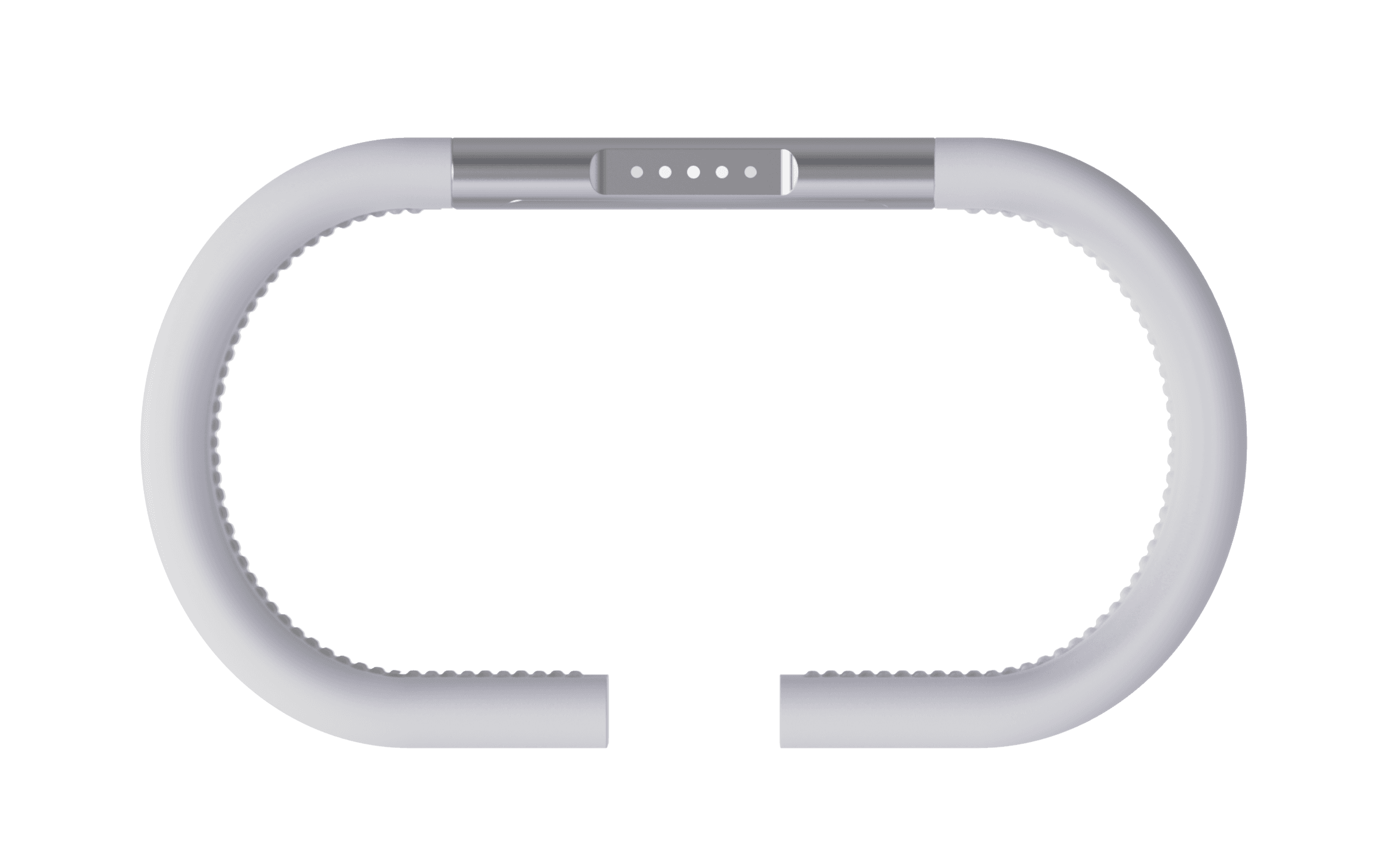
Sentra started as a fifth-semester design study on how spatial hearing could be supported through touch rather than sound.
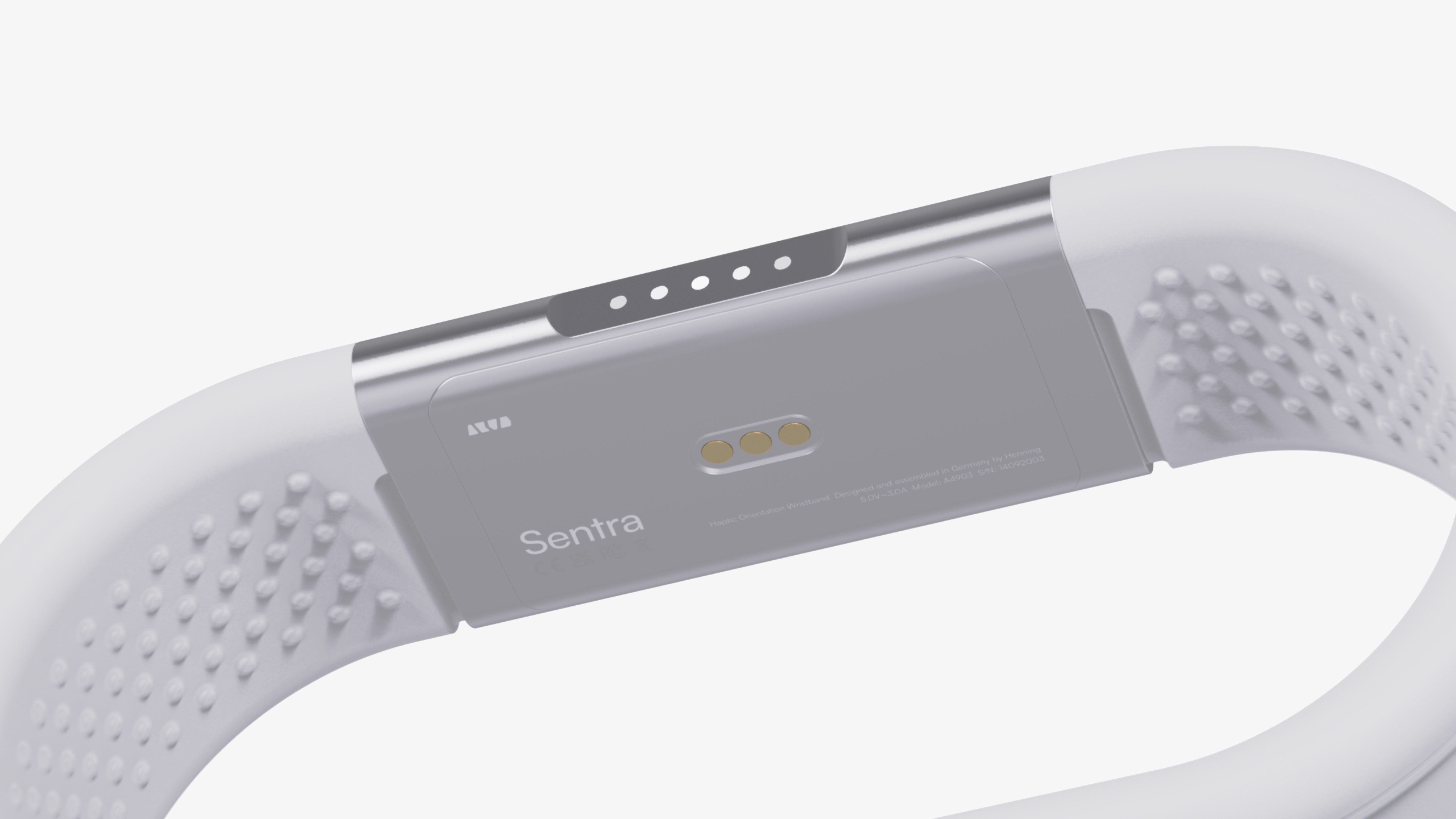
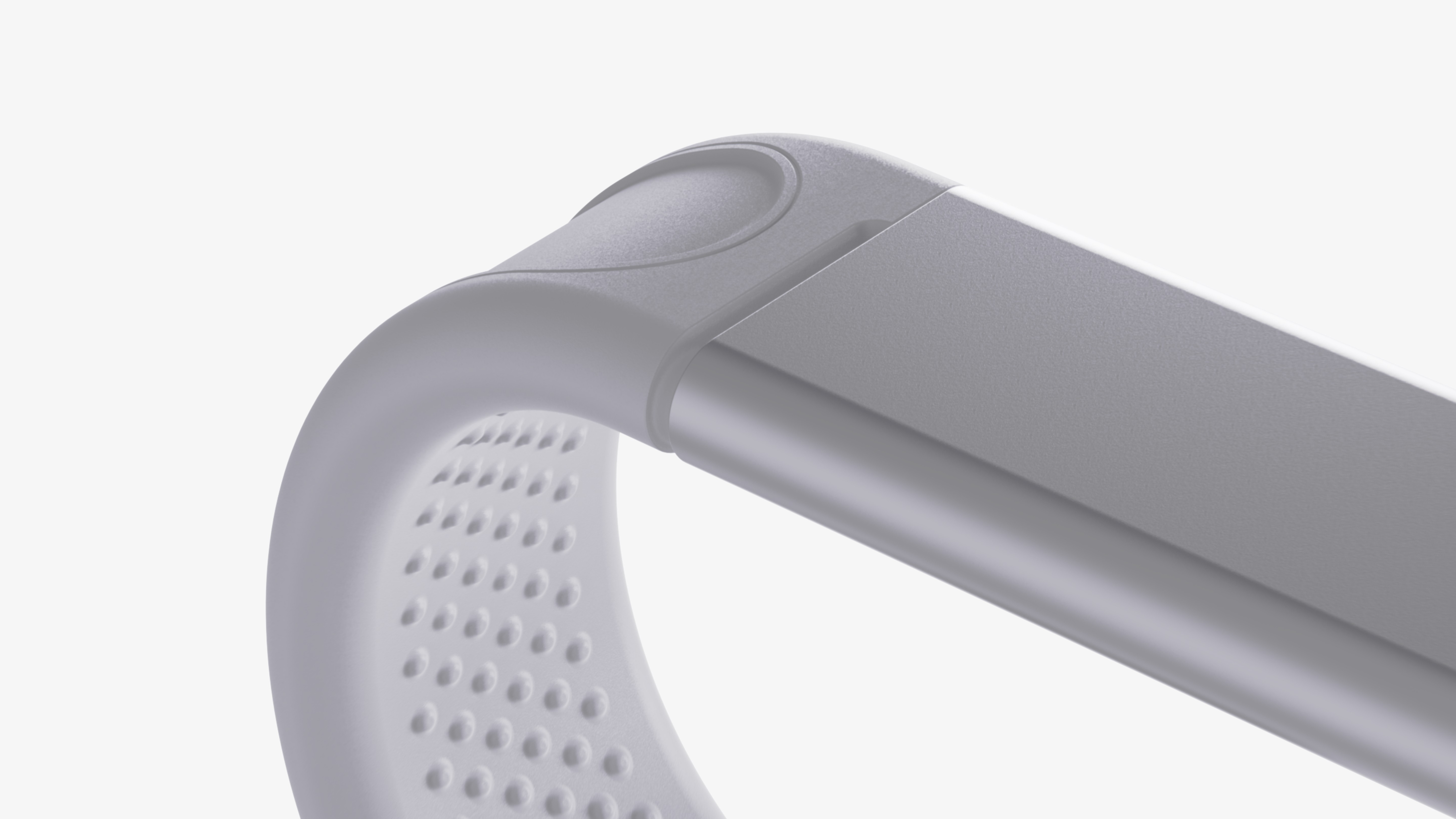
Its first part is a bracelet with several microphones and vibration motors spaced around the wrist. When it picks up a sound, it vibrates on the side the sound came from, so instead of making anything louder, it lets you feel the direction. It’s meant to run in the background and help most in places where many sounds overlap.
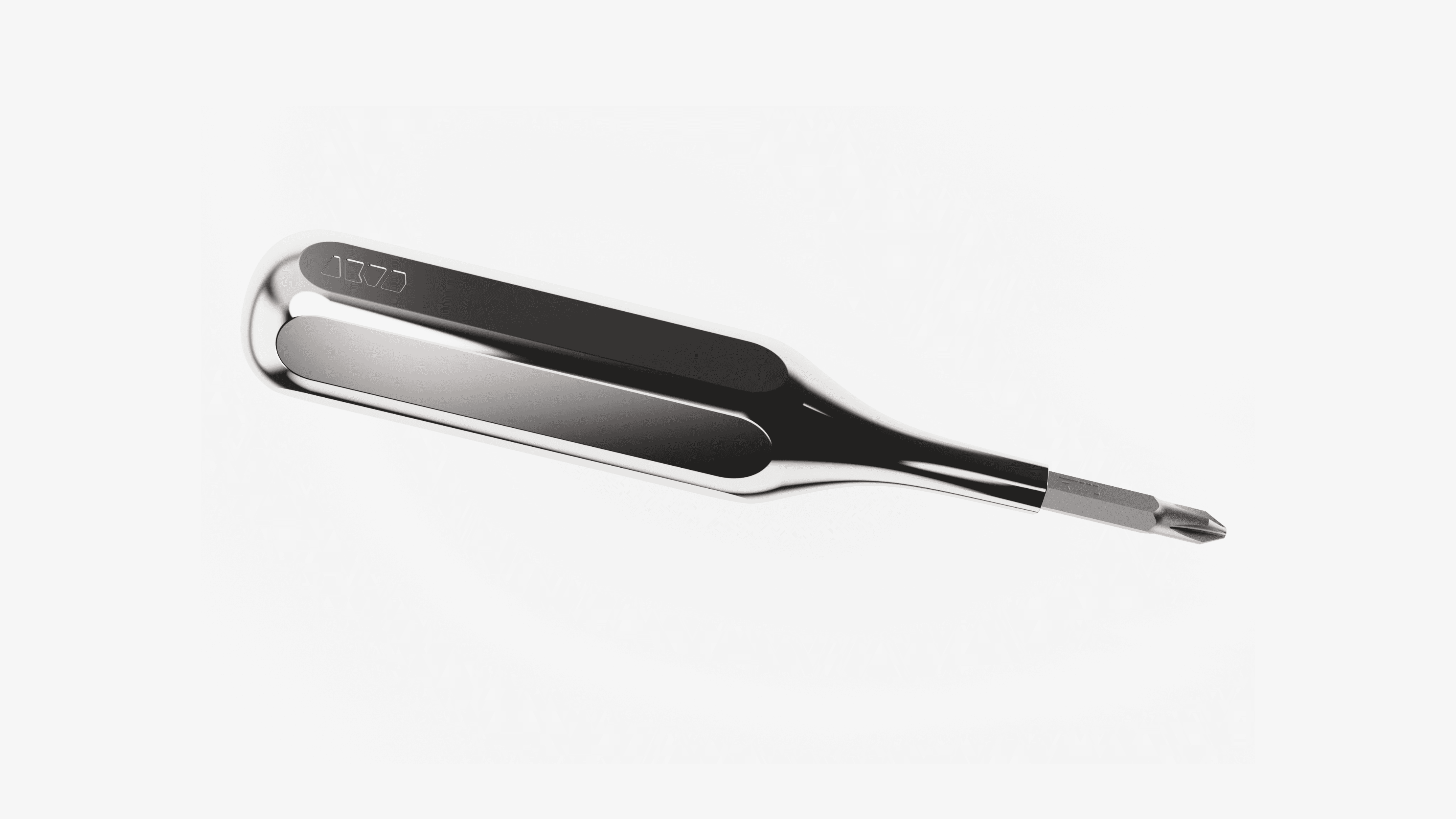
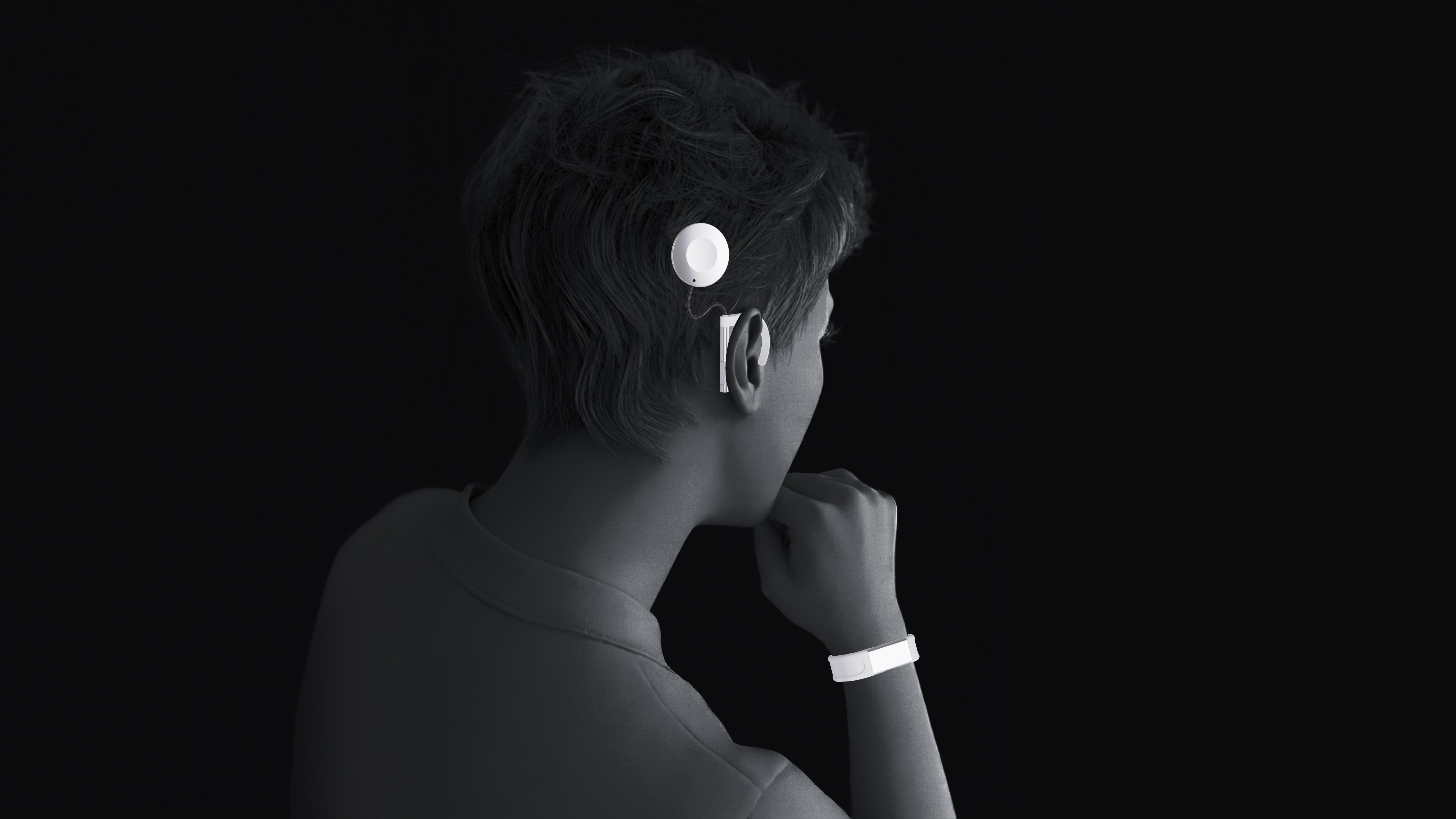
Later I extended the project to the cochlear implant, a neuroprosthesis that lets people with severe to profound hearing loss perceive sound by electrically stimulating the auditory nerve. I left the technology itself untouched and redesigned the device in the same design language as the bracelet.
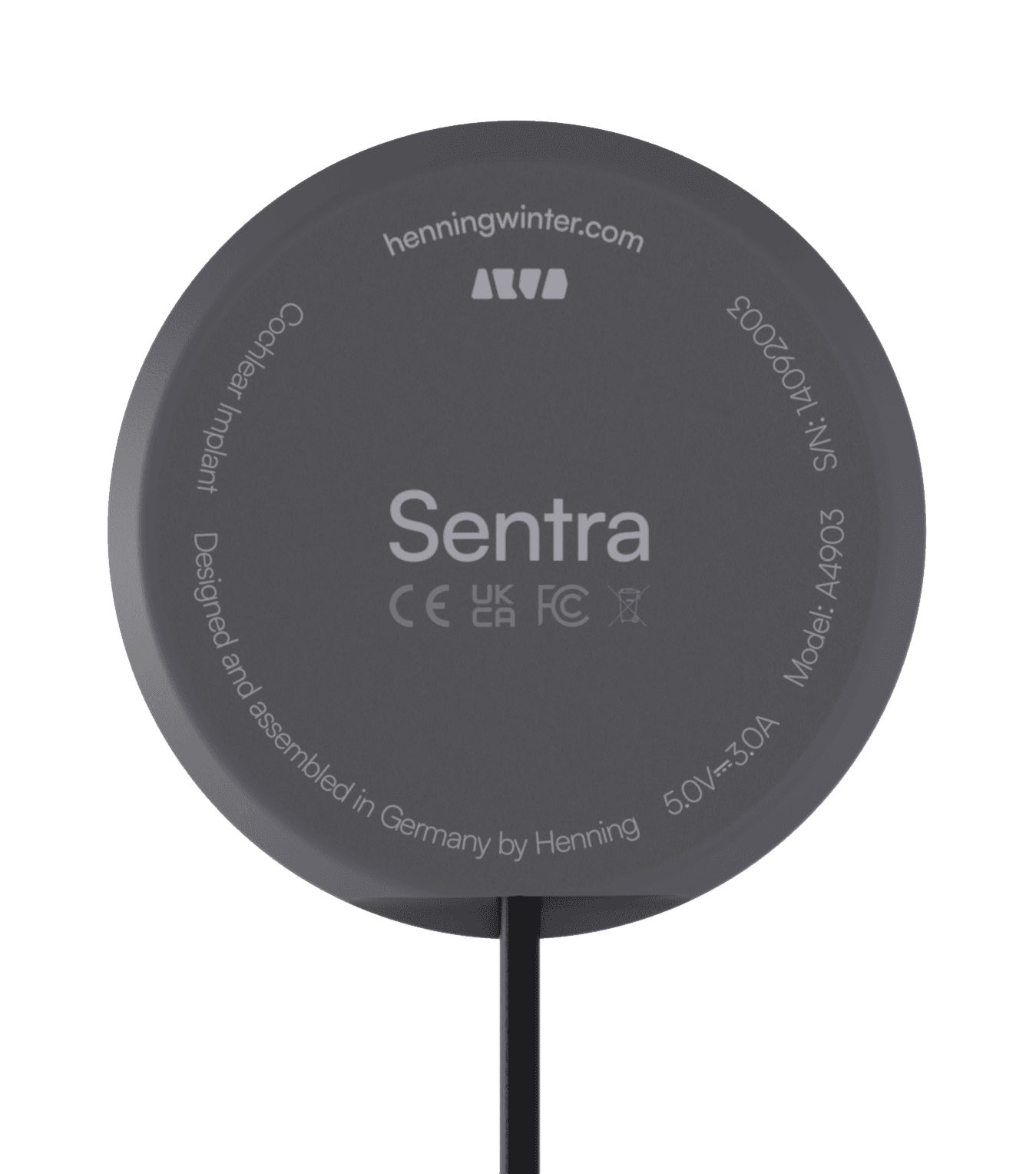
Concept, Prototyping & Visualization
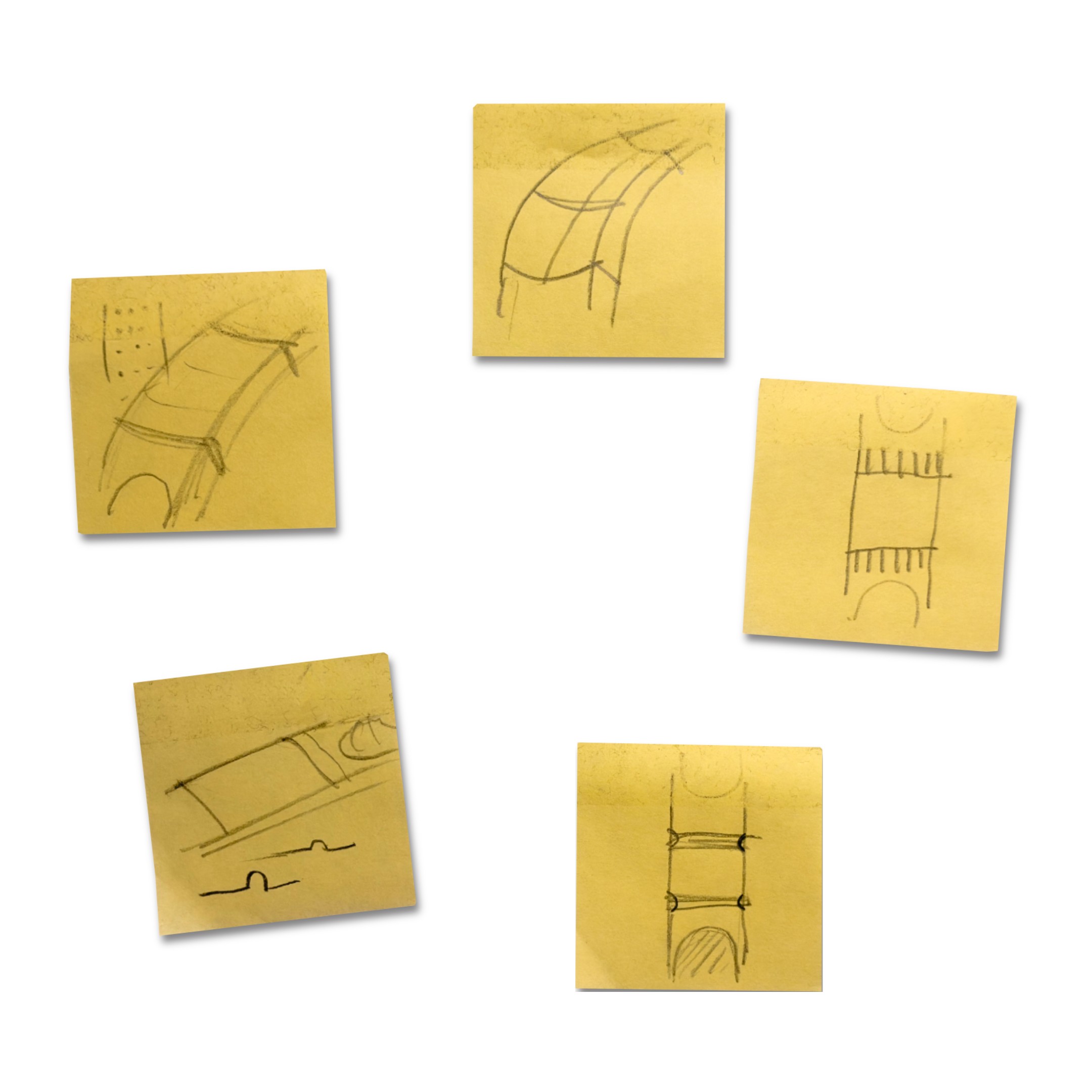
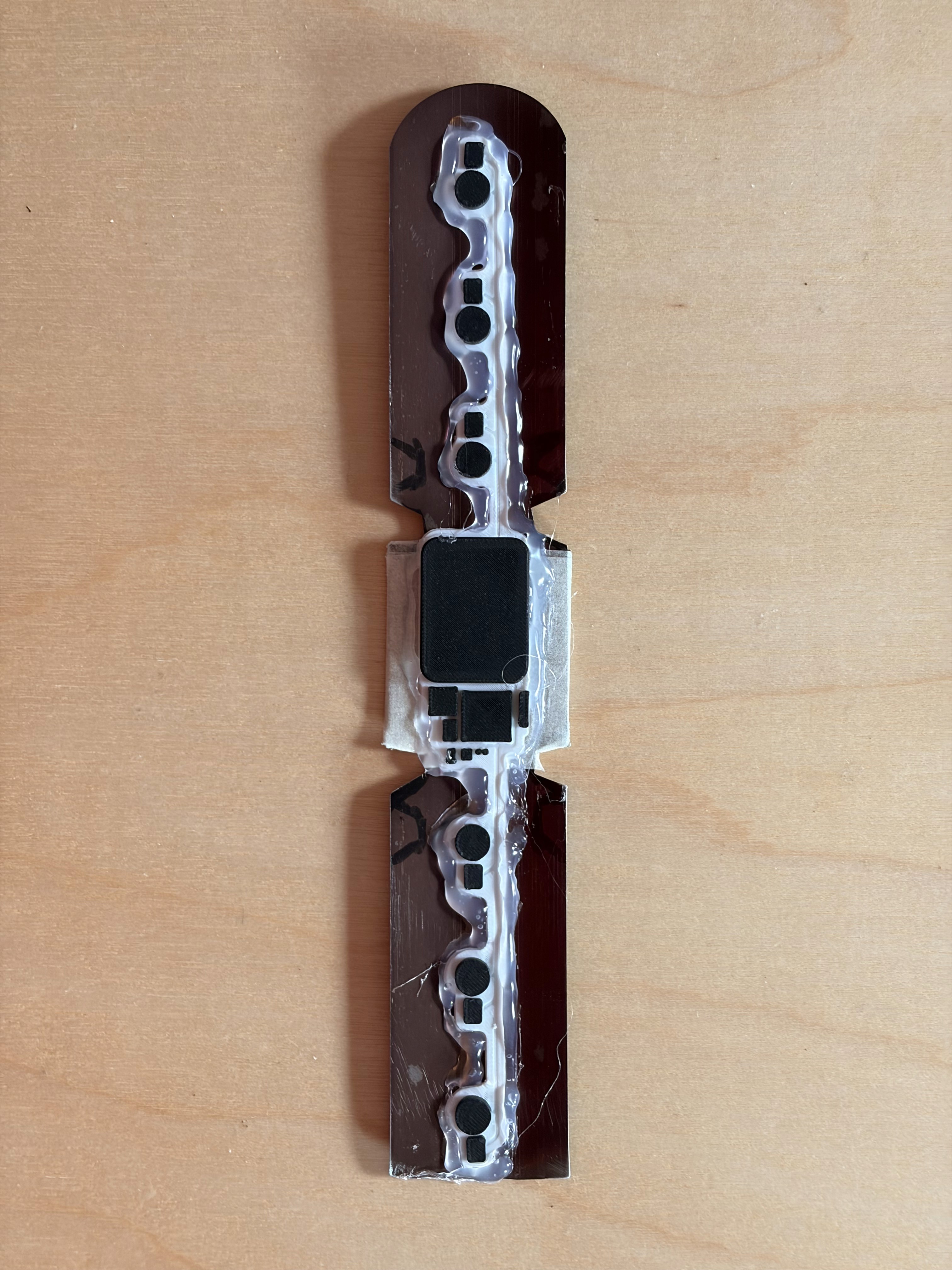
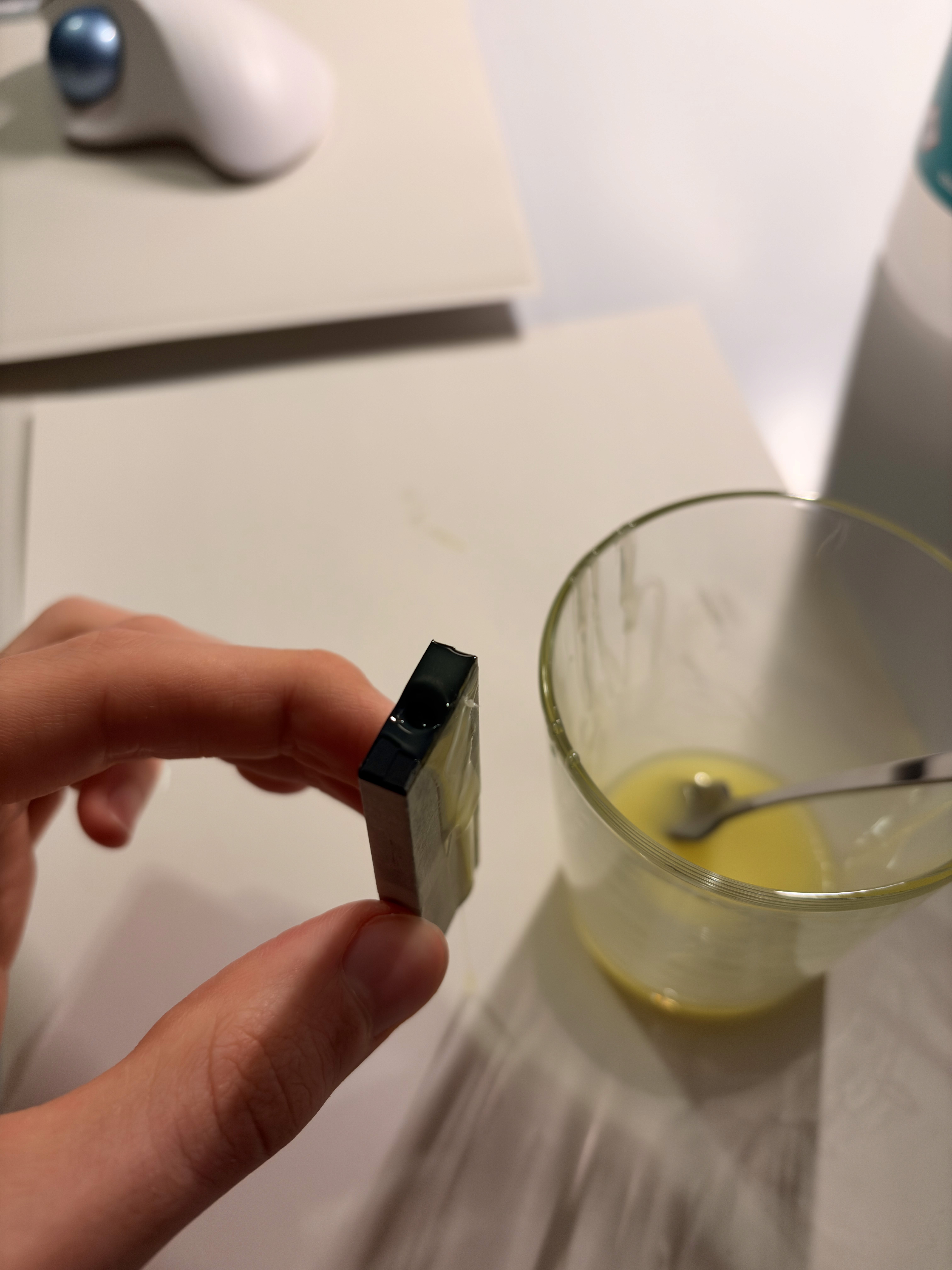
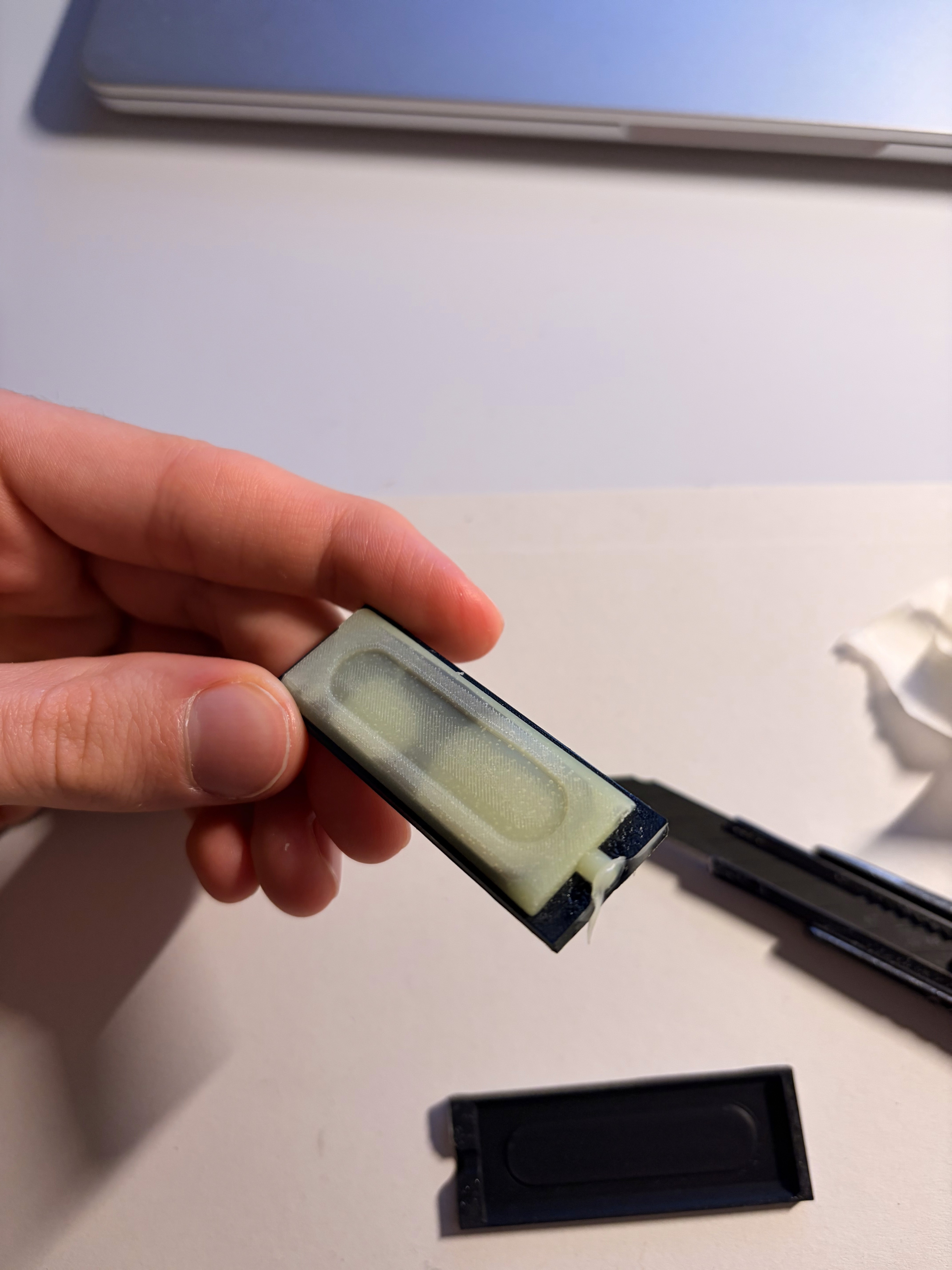
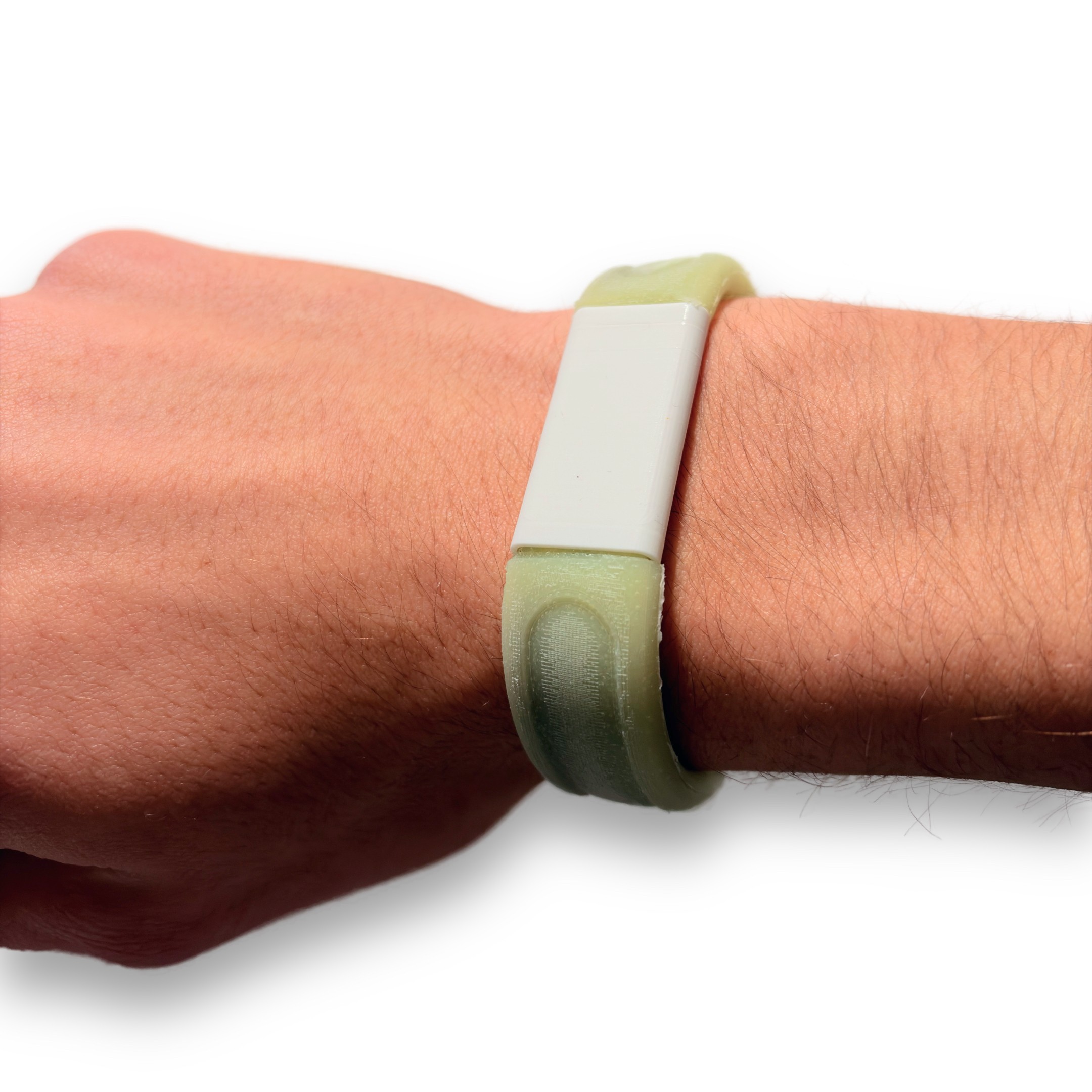
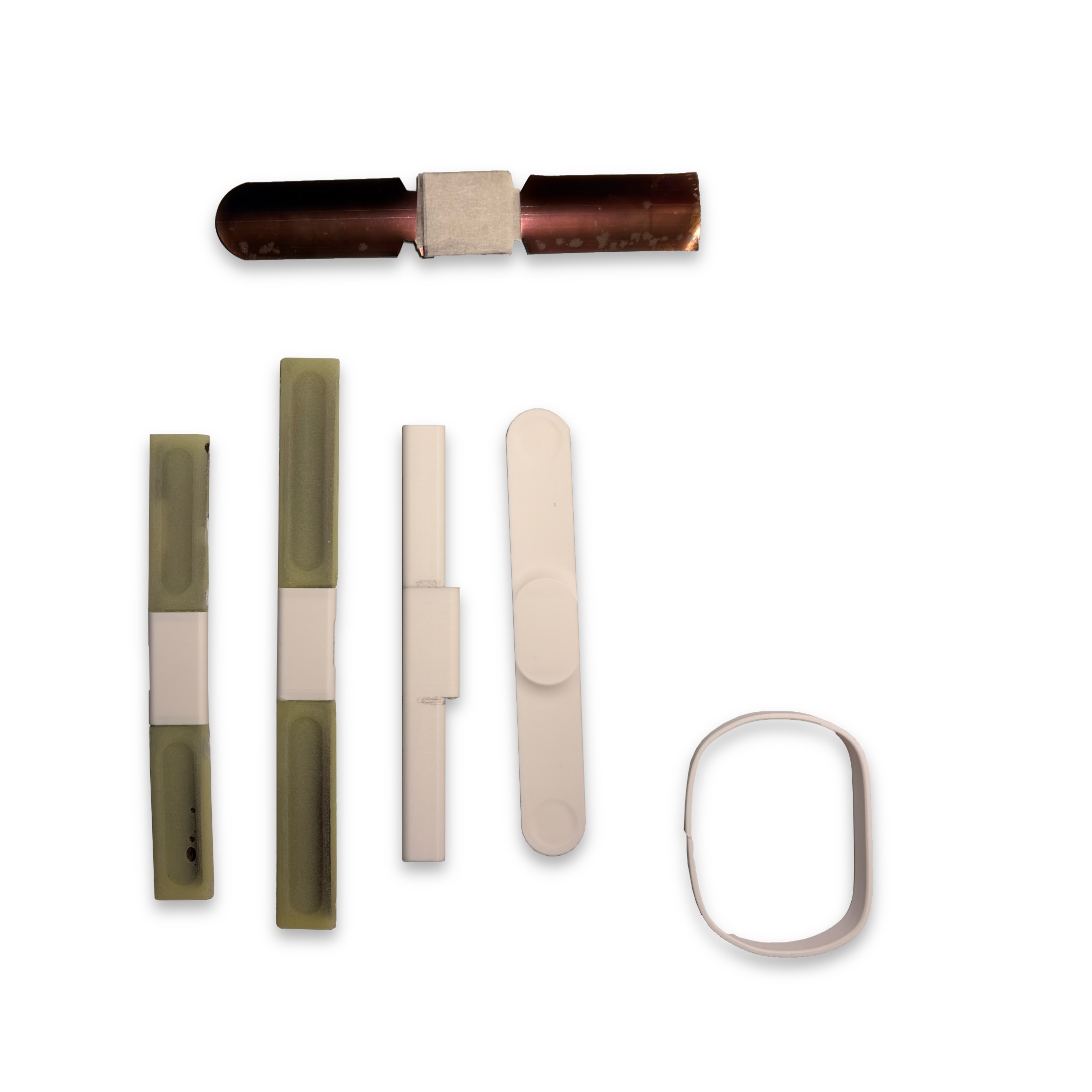
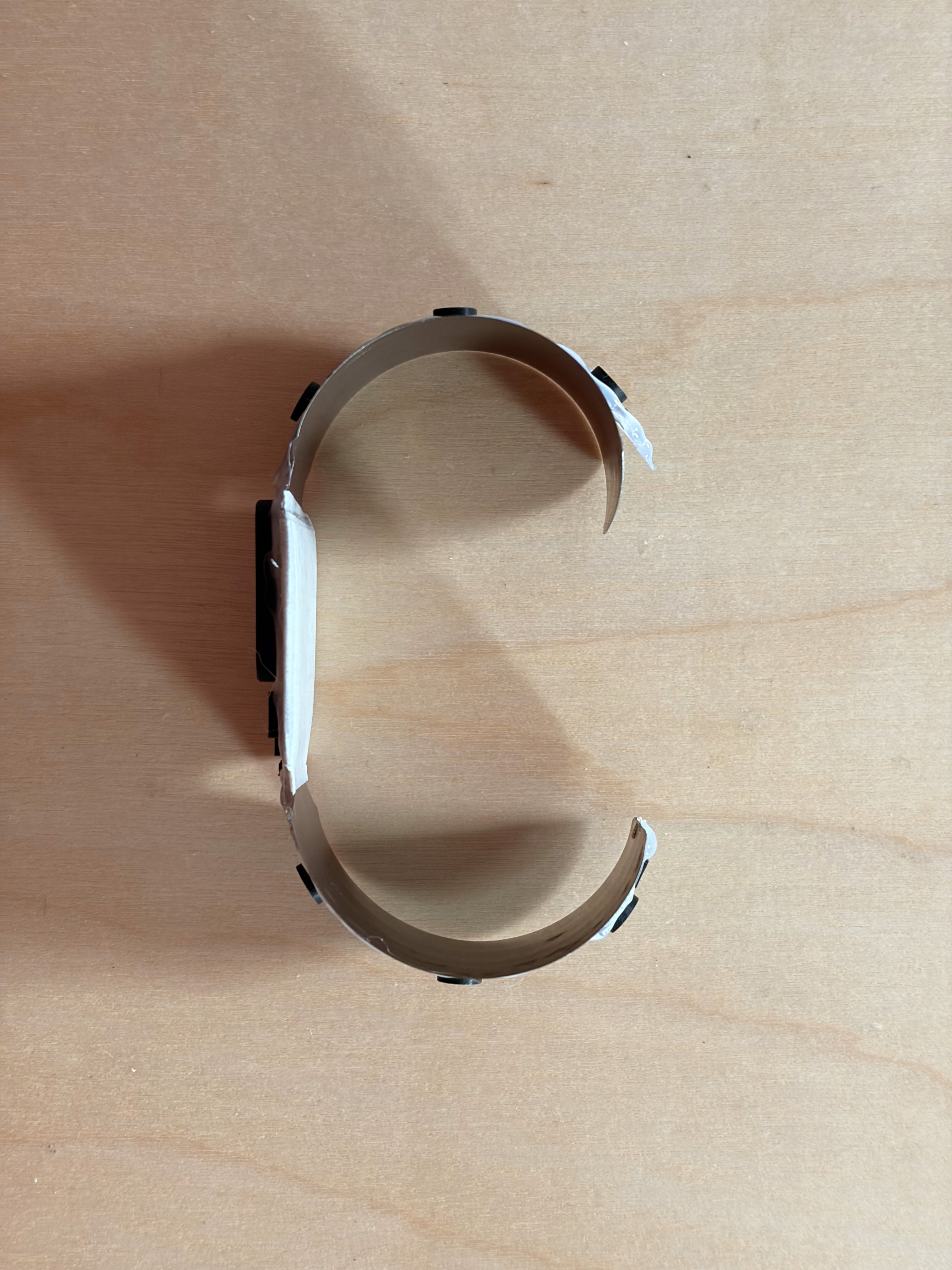

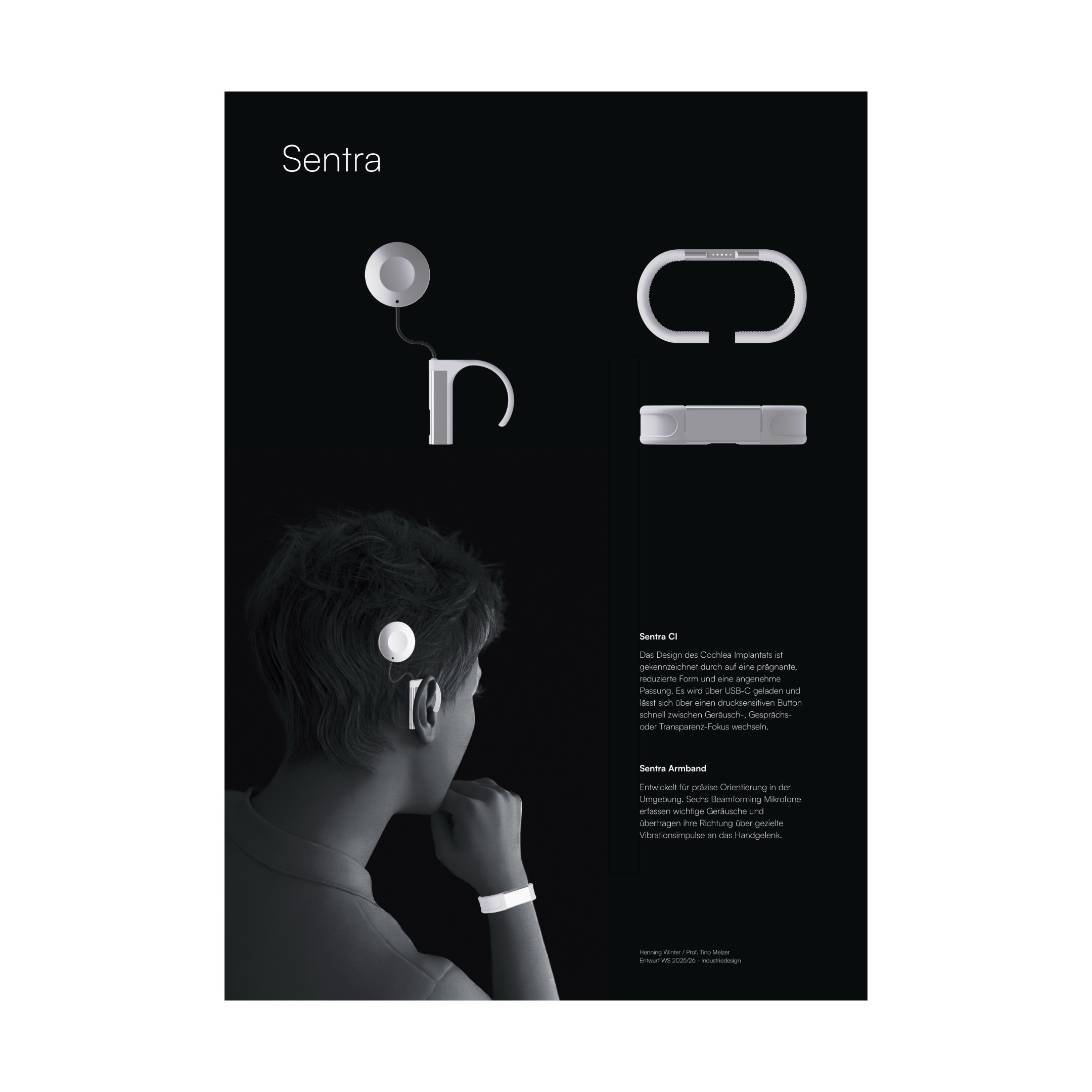
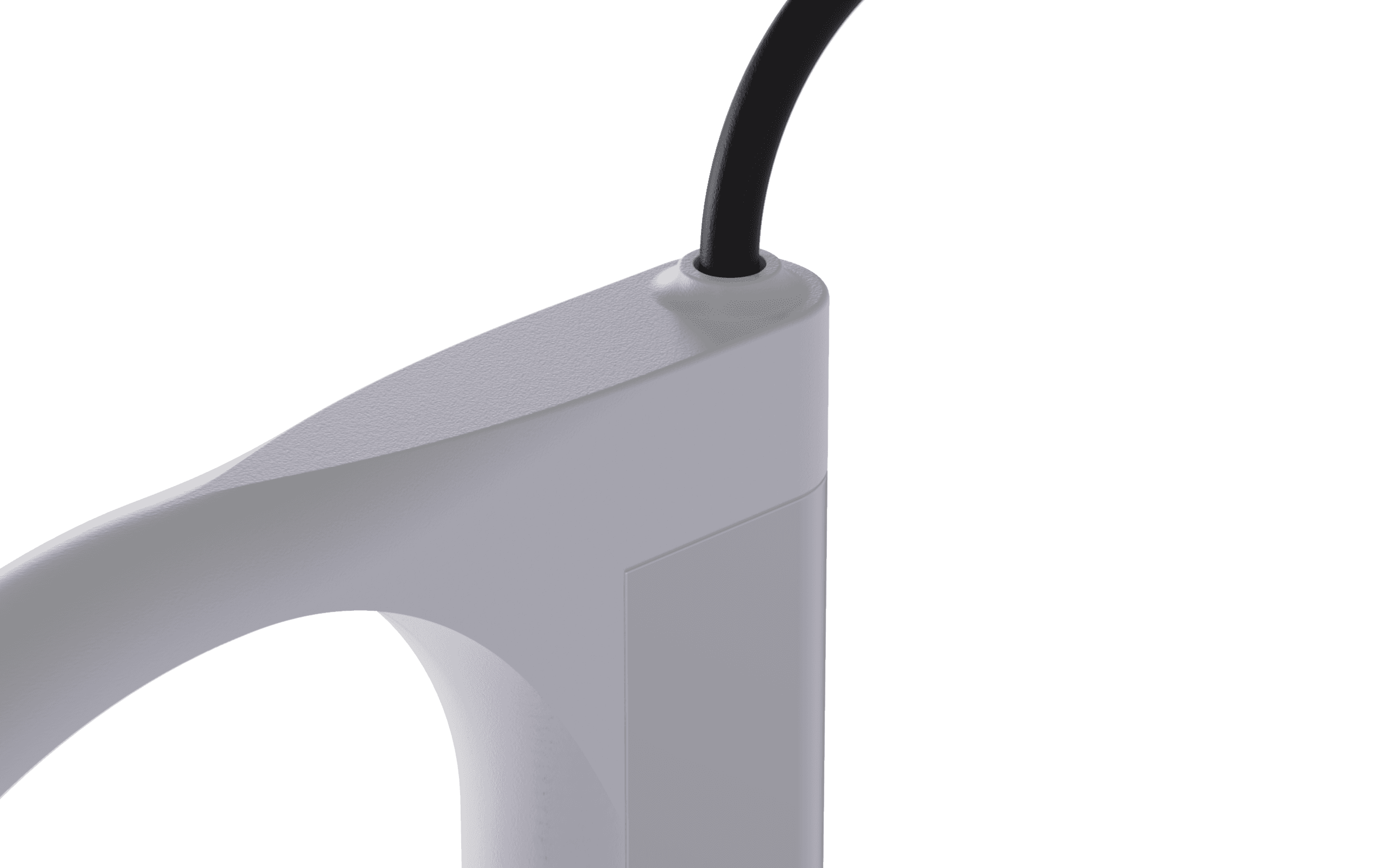
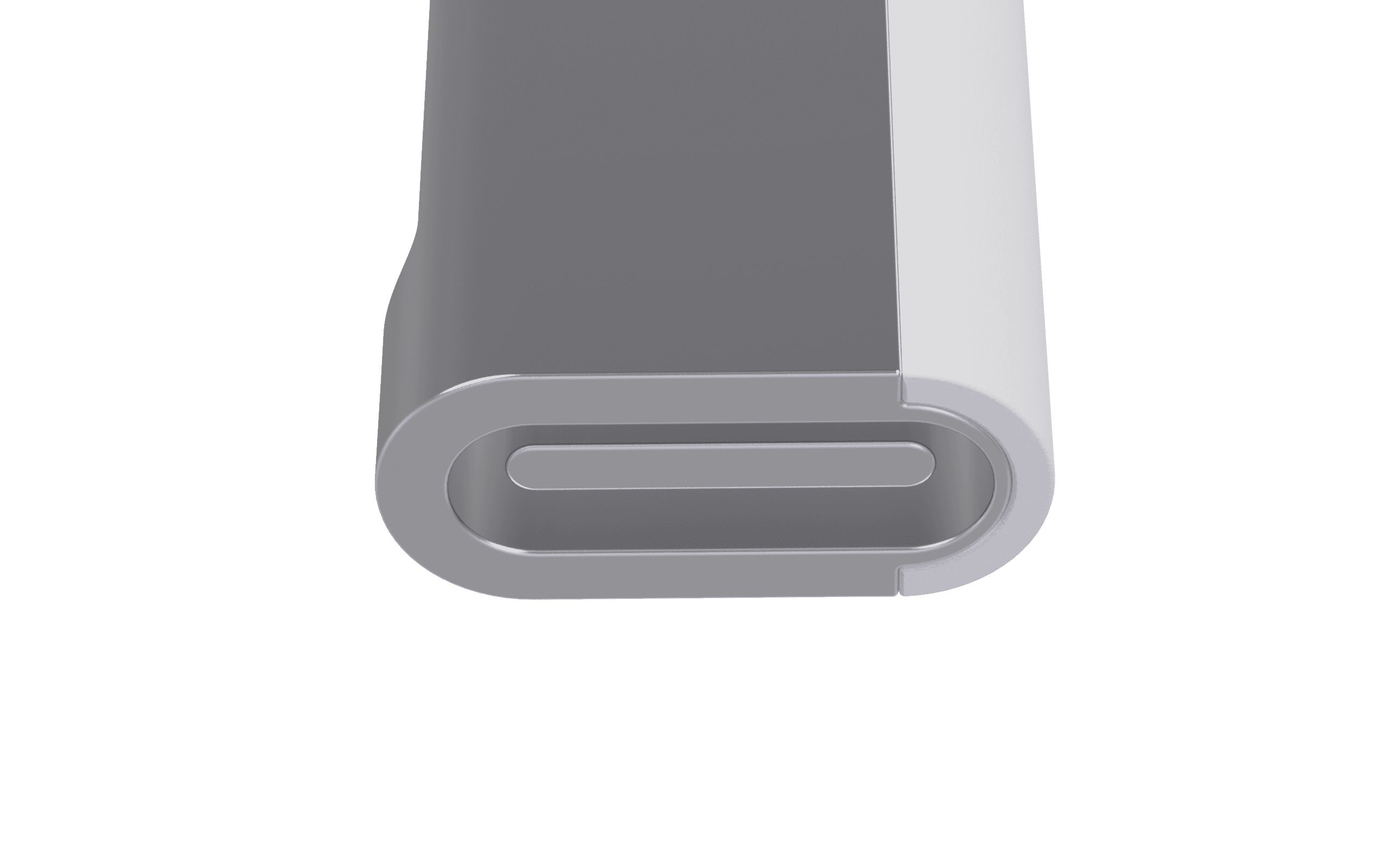
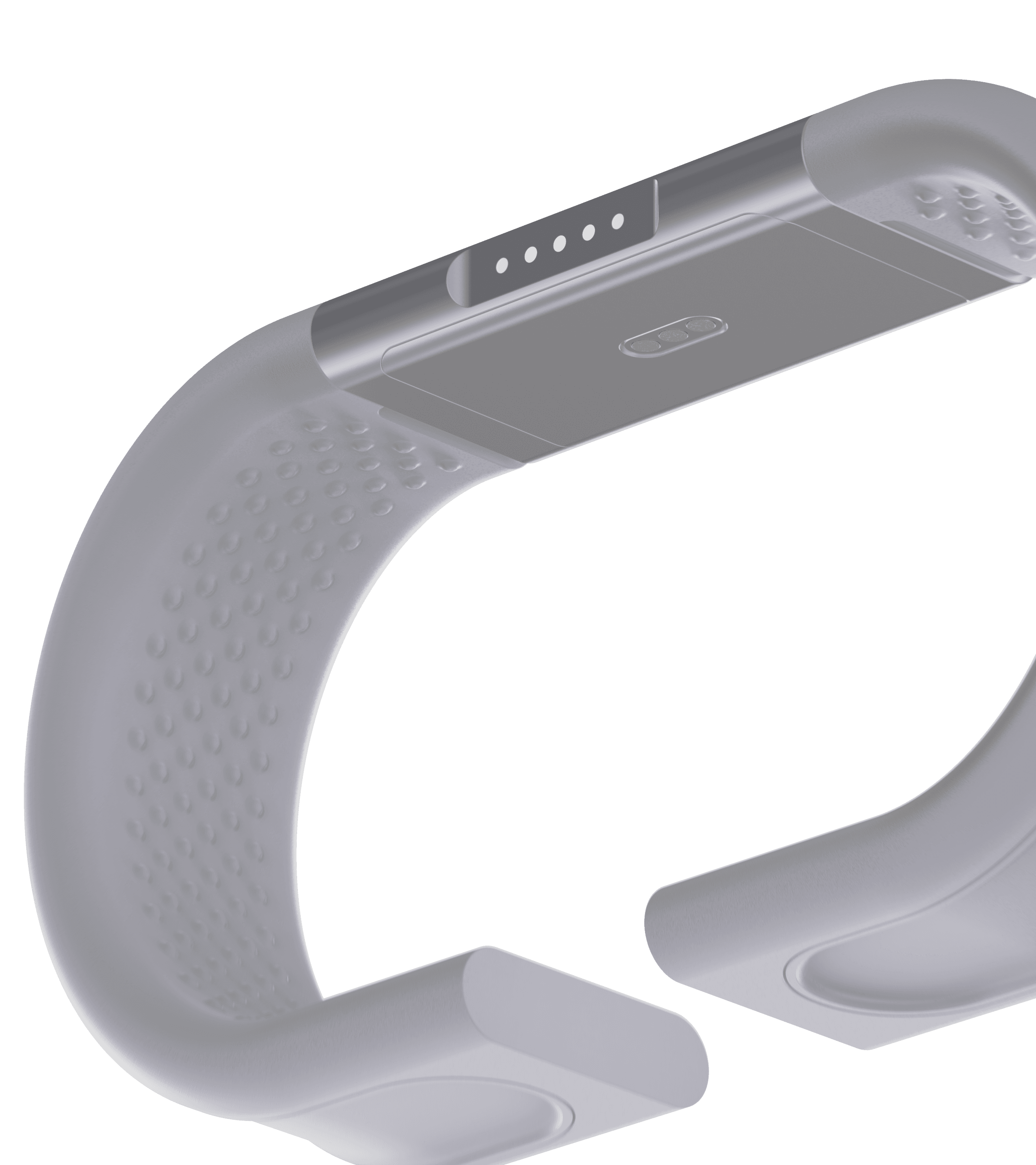
My goal was to move both devices away from the typical medical look, so that a CI neither has to be hidden nor draws attention, and simply looks like something people wear every day.
Together they work as one system, with the implant handling hearing and the bracelet adding a sense of direction whenever the implant alone can’t provide it.